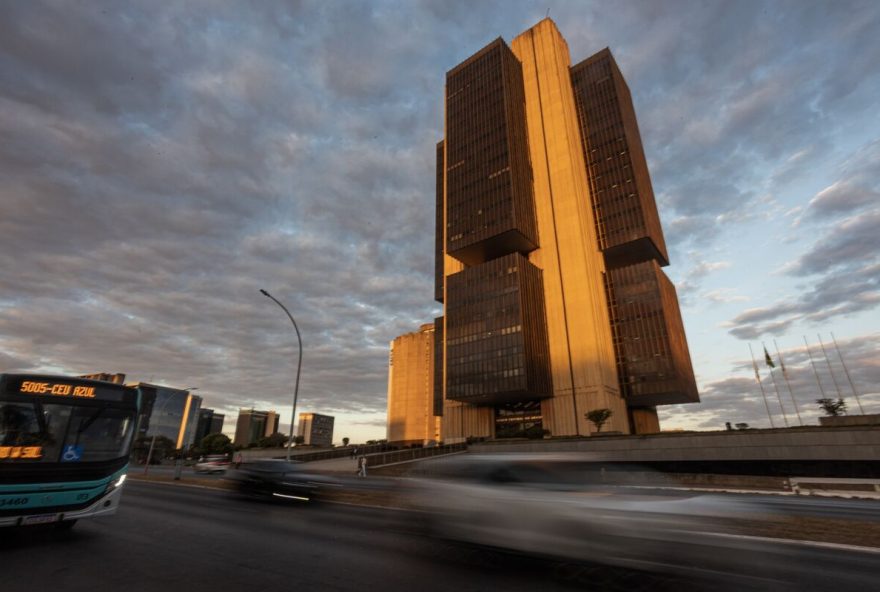
Brazil’s central bank is widely expected to begin easing monetary policy with a modest interest-rate cut, as war in the Middle East stokes inflation fears and complicates President Luiz Inacio Lula da Silva’s reelection bid.
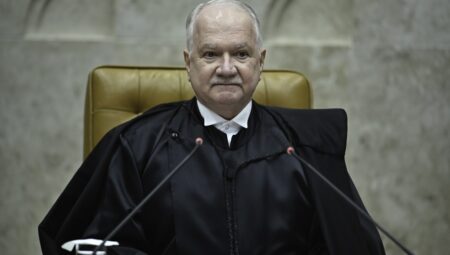
Policymakers led by Gabriel Galipolo are likely to deliver their first reduction to the benchmark Selic rate since 2024 on Wednesday, lowering it by a quarter-point to 14.75%, according to 19 of 30 economists surveyed by Bloomberg. Ten others forecast a larger, half-point cut, while one expects borrowing costs to remain unchanged at 15%.
The decision to cut interest rates comes as concerns about rising inflation are fueled by the ongoing war in the Middle East, posing challenges for President Lula da Silva’s reelection campaign. The move is seen as an attempt to stimulate the economy amid global uncertainties.
Gabriel Galipolo, at the helm of the central bank, plays a crucial role in this decision. His leadership is under scrutiny as the country navigates economic challenges exacerbated by international events. Economics experts are closely monitoring the unfolding situation.
“The expected interest rate cut is a necessary step to mitigate the adverse effects of heightened inflation due to the Middle East conflict,” stated one of the surveyed economists as anticipation builds up for the central bank’s announcement. The diverse forecasts reflect the uncertainty surrounding the decision-making process.
Following the rate cut announcement, markets are likely to react to the central bank’s decision, influencing investment strategies and market dynamics. The impact of this move on inflation rates, currency values, and economic growth will be closely monitored in the coming days.
The central bank’s decision to cut interest rates is expected to have far-reaching consequences on Brazil’s economic landscape. Analysts are predicting potential shifts in investment patterns, consumer behavior, and overall economic performance. The upcoming days will clarify the implications of this bold move.
As the central bank prepares to make its announcement, experts are speculating on the short and long-term effects of the interest rate cut. The potential positive outcomes for borrowers and businesses are balanced against concerns about future inflationary pressures and global market dynamics.
The central bank’s decision to reduce interest rates marks a significant development in Brazil’s economic strategy. The complexities of balancing inflation concerns with economic stimulus are evident in this move, raising questions about the sustainability of such policies and their impact on broader economic stability.